
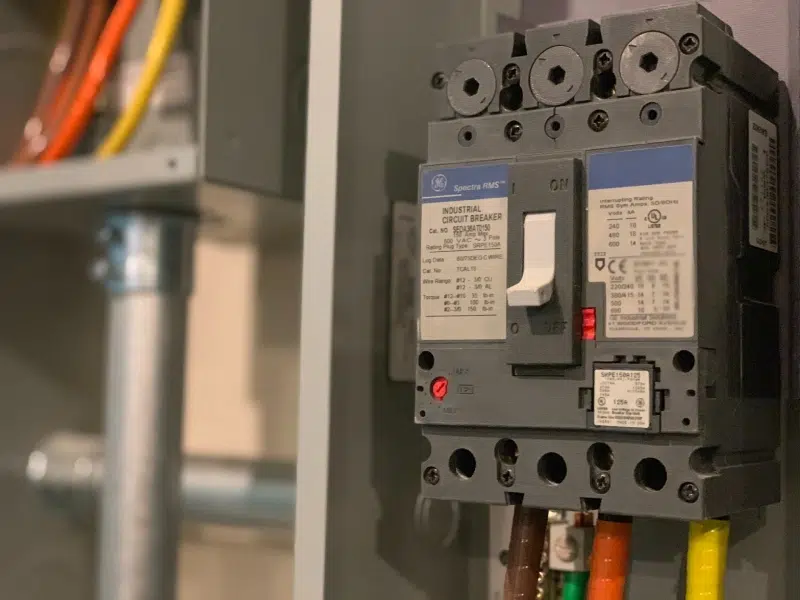

Causes of Action for Shut-Off
Where a landlord shuts off or interrupts utilities intending to terminate occupancy, a tenant has causes of action against the landlord for (1) breach of contract, (2) negligence, (3) violation of statutory protections under Civil Code section 789.3, (4) wrongful eviction, and (5) violations of local rent control ordinance, where applicable.
Damages for Shut-Off
A tenant with interrupted utilities can sue to have the utilities turned back on or move out and sue the landlord for actual damages, including moving costs, emotional distress, and the difference in rent between a new unit and the old unit. Cal. Civ. Code § 789.3. If a landlord cuts the utilities to force a rent-controlled tenant out of a low rent unit, the tenant may be entitled to the difference in rent taken out over a number of years. In several local jurisdictions, this amount is trebled where the tenant can prove that the landlord was motivated to get more rental income from the property.
Whether in a rent-controlled jurisdiction or not, a tenant with obstructed utilities is entitled to $100 per day with a minimum of at least $250 in damages. Id. The award is calculated per unit, not per tenant. Kinney v. Vaccari, 27 Cal. 3d 348 (1980). The $100 day penalty stops accruing once the tenant vacates. Hale v. Morgan, 22 Cal. 3d 388 (1978). However, once a tenant vacates, the tenant will have a cause of action for constructive eviction. The damages for constructive eviction include moving costs and the rent differential between the vacated unit and the replacement unit times the expected number of years the tenant expected to be in the unit. Under the statute, a tenant can also recover reasonable attorney fees. Cal. Civ. Code § 789.3(d).
A tenant can have more than one residence and still recover under the utility shutoff statute. Otanez v. Blue Skies Mobile Home Park, 1 Cal. App. 4th 1521 (1991).
Criminal Liability for Shut-Off
A landlord may also be subject to criminal prosecution and imprisonment for interruption of utilities. Cal. Penal Code §§ 591-593.
Frequently Asked Questions
What are utility shut‑offs by a landlord?

Utility shut‑offs are when a landlord intentionally shuts off or interferes with essential services such as water, gas, or electricity provided to a rental unit in an attempt to force a tenant to move out.
Are utility shut‑offs by a landlord legal?
No. It is illegal for a landlord to shut off utilities in retaliation against a tenant or as a means to force a tenant to vacate a rental unit.
What laws prohibit utility shut‑offs by a landlord?
Utility shut‑offs by a landlord can violate multiple laws, including local rent control and tenant protection ordinances that prohibit interference with a tenant’s quiet enjoyment and use of essential services. They may also constitute harassment and retaliation under applicable housing laws.
What should a tenant do if the landlord shuts off utilities?
If a landlord shuts off utilities, a tenant should contact local enforcement agencies, document the shut‑off, and seek legal assistance immediately, as utility shut‑offs can affect health and safety and may be unlawful.
Are tenants responsible for utility shut‑offs?
No. A landlord cannot use utility shut‑offs to shift responsibility to the tenant or to create conditions so uninhabitable that the tenant feels compelled to move.
Can tenants claim damages for utility shut‑offs?
Yes. Tenants may have legal claims for damages if a landlord unlawfully shuts off utilities, including claims for interference with quiet enjoyment, breach of habitability obligations, and retaliation.
Can utility shut‑offs be part of landlord harassment or retaliation?
Yes. Utility shut‑offs are commonly used as a tactic of landlord harassment and retaliation to try to force a tenant to vacate a unit without following the proper legal eviction process.
Do local ordinances provide additional protections against utility shut‑offs?
Yes. Many local rent ordinances and tenant protection laws specifically prohibit landlords from shutting off or interfering with essential utilities as a form of harassment or eviction avoidance.
Should tenants document utility shut‑offs?
Yes. Tenants should document the date, time, and circumstances of any utility shut‑off, as well as any communications with the landlord, to support legal claims.
What legal remedies are available for tenants when a landlord unlawfully shuts off utilities?
Tenants may seek injunctive relief to restore utilities, monetary damages for losses, and may also have claims for emotional distress, costs incurred, and other remedies depending on applicable laws and ordinances.

