
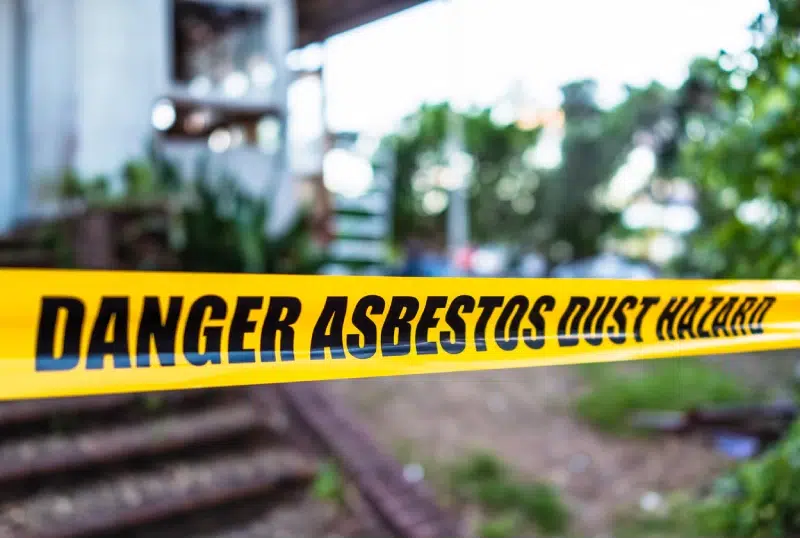



Asbestos and the Warranty of Habitability
Out of the many repair issues that can affect a tenant, one of the most dangerous is asbestos. Asbestos is a common building material found in older dwellings. It is found in ceilings, paint, insulation and a large number of other common products. When asbestos is airborne or friable, it is microscopic in size and not visible to the naked eye. Even brief exposure to asbestos can cause cancers that usually do not show up until fifteen to forty years after exposure. The risk of dangerous exposure is greatest around renovation work, water damage, deteriorating walls, or a broken heating system. The true danger is that it is invisible.
California Tenant Lawyers
Tobener Ravenscroft LLP is the leading tenant rights law firm in California and has been in business for over twenty years. The firm serves tenants in California and focuses on wrongful evictions, intractable repair issues, landlord harassment, tenant discrimination, landlord sexual harassment, and landlord-caused injuries.
Unfortunately for renters, California courts have not yet emphatically defined asbestos as an actionable health hazard. Out-of-state and federal courts have found that airborne asbestos violates a tenant’s implied right to have a habitable premises. Mann v. Pierce, 803 F.2d 1552 (11th Cir. 1986) (finding warranty of habitability covers crumbling ceiling tiles containing asbestos) and Molloy v. Li, 235 A.D. 2d 342 (NY 1997) (allowing recovery for asbestos in heating system and clumps in rug). By extension, it is extremely likely that a California court would treat friable asbestos as a breach of the warranty of habitability. Green v. Superior Court, 10 Cal. 3d 616, 638 (1974). A landlord who ignores friable asbestos can be held liable for back and future rent, emotional distress damages, medical bills, and attorney fees. Id.
Generally, a tenant should take the following steps if they fear asbestos in their living space: 1) arrange for reliable testing; 2) give written notice to the landlord with a copy of the test results, asking for immediate remediation; and 3) prepare to file an action against the landlord if the asbestos is not remediated.
It is important to hire a qualified private company to conduct the test. A tenant must use caution in testing for toxins as courts will exclude tests not following sound scientific methodology. Geffcken v. D’Andrea, 137 Cal. App. 4th 1298 (2006).
A landlord must give renters notice of the presence of friable asbestos on property within fifteen days of receiving knowledge of the asbestos-containing materials. Health and Safety Code § 25915.5. A landlord who fails to comply with this notice requirement is guilty of a misdemeanor punishable by up to one year in jail and a fine of $1,000. Id.
A landlord must exercise due diligence in completing repairs and maintenance to minimize exposure to asbestos. San Francisco Rent Ordinance § 37.10B. This means hiring licensed professionals. Asbestos is very fragile and only professionals with proper equipment and protection can remove it.
Commercial tenants have protections against asbestos as well, but the burden of remediation may not always be on the landlord. Even where a commercial lease provides that a tenant must “remediate all asbestos”, the courts will not automatically hold a tenant liable for remediation, rather will look at the totality of the circumstances, including length of lease, terms of lease, experience of tenant in commercial leasing, opportunity by tenant to do testing, cost of remediation versus monthly rent, pre-lease disclosures by landlord, and attorney and broker involvement in lease negotiation. Brown v. Green, 8 Cal. 4th 812 (1994) (finding lessee liable); see also Hayden v. Schwartz, 8 Cal. 4th 836 (1994) (finding lessor liable).
There is a dearth of California cases on the issue of asbestos removal in commercial leases. All of the following out-of-state cases have held landlords liable for removal of asbestos in commercial leases: Lazell v. Stone, 123 S.W.3d 6 (Tex. App. 1st Dist. 2003); Wolf v. 2539 Realty Associates, 161 A.D.2d 11 (N.Y.1990); Linden Boulevard, L.P. v. Elota Realty Co., 196 A.D.2d 808 (1993) and Sun Insurance Services, Inc. v. 260 Peachtree Street, Inc. , 192 Ga. App. 482 (1989).
Frequently Asked Questions
What is asbestos?

Asbestos is a naturally occurring fibrous mineral that was widely used in building materials because it is fire resistant and strong.
Why is asbestos dangerous?
Asbestos is dangerous because when its fibers are inhaled they can lodge deep in the lungs and cause serious diseases, including asbestosis (a progressive scarring of lung tissue), lung cancer, and mesothelioma (a rare and aggressive cancer that affects the lining of the lungs or abdomen).
Where is asbestos commonly found in buildings?
Asbestos can be found in many building materials, including insulation, floor tiles, ceiling tiles, roofing materials, textured paints, pipe coatings, and other products used in construction prior to the 1980s.
Does the presence of asbestos mean a property is unsafe?
Not necessarily. Asbestos that is intact and undisturbed generally does not pose a significant health risk. The danger arises when asbestos-containing materials are damaged, disturbed, or deteriorating, releasing fibers into the air.
What obligations do landlords have regarding asbestos?
Landlords are generally required to warn tenants about known asbestos hazards on the property. If a landlord knows or should know that asbestos-containing material is present and is damaged or likely to be disturbed, the landlord has a duty to take appropriate steps to abate the hazard and protect tenants from exposure.
Are there specific California laws governing asbestos in rental properties?
Yes. California law requires landlords and property owners to disclose the presence of asbestos in residential properties if they know or should know of its existence.
Can tenants sue landlords over asbestos exposure?
Yes. Tenants who are exposed to asbestos due to a landlord’s failure to warn of known hazards or to take reasonable steps to prevent exposure may have legal claims against the landlord for personal injury or property damage.
What types of damages can be recovered in an asbestos lawsuit?
In an asbestos lawsuit, injured parties may recover compensatory damages for medical expenses, pain and suffering, lost wages, loss of earning capacity, and other losses related to asbestos-related diseases. In some cases, punitive damages may also be available if the landlord’s conduct was especially reckless or intentional.
Do landlords have to remove asbestos from a property?
Landlords are not always required to remove asbestos. However, if the asbestos is damaged, likely to be disturbed, or poses an unreasonable risk of exposure, the landlord must take appropriate action—such as repair, encapsulation, or removal—to protect tenants.
Should tenants document asbestos hazards?
Yes. Tenants who suspect asbestos hazards should document the condition, notify the landlord in writing, and keep records of all communications and any health or environmental inspections to support potential legal claims.

